The Importance of Learning About Epilespsy
Epilepsy is the most prominent neurological disorder in the world, affecting millions of people worldwide, yet it remains widely misunderstood. Individuals with epilepsy can experience seizures in many different forms, ranging from brief lapses in awareness to more severe physical symptoms. Despite how common epilepsy is, misinformation, stigma, and fear continue to shape how people with epilepsy are treated in schools, workplaces, and public spaces.
A major challenge surrounding epilepsy is the lack of seizure awareness and response education. Many students, teachers, and staff members are not trained on how to react when a person starts to seize. This gap in knowledge can lead to panic, improper assistance, or discrimination against individuals with epilepsy. In educational settings, especially, the absence of clear policies and training places students with epilepsy at greater risk of injury and social exclusion.
This policy paper argues that the solution is spreading awareness about the different types of seizures and their associated first aid practices. 1 in 26 people will develop epilepsy in their lifetime. Increased awareness not only protects those directly affected but also fosters understanding and preparedness across the broader community. It’s time we knew how to help someone instead of fearing them.
Seizures can occur for a myriad of reasons, such as severe dehydration or malnutrition, some medications, extreme stress, or sleep deprivation. Many people who have a seizure only experience one in their lifetime. However, sometimes, these seizures become frequent and are unprovoked. This leads to a diagnosis of epilepsy.
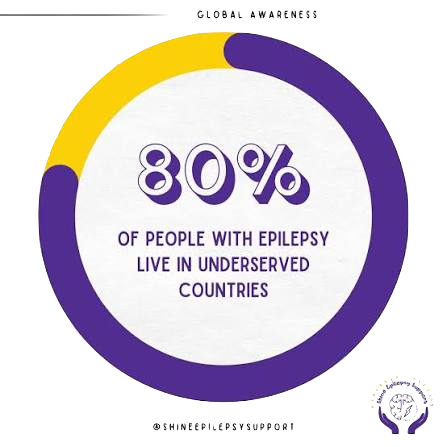
There is no specific physical attribute a healthy person has that makes them more or less prone to epilepsy. Despite this, around 80% of patients with epilepsy reside in low and middle-income countries. This can be partially explained by some risk factors such as head trauma, perinatal injury and CNS infections, which are more common in poor regions, especially in rural areas. But it’s not the only reason. Despite different therapies and treatment options showing tremendous success, 75% of patients from low-income populations do not receive treatment at all. The inequity in the distribution of health care services, the inadequate supply of antiepileptic drugs, the small number of neurologists specialized in epilepsy, cultural beliefs, and the social stigma are the main reasons for the disparity in treatment gap in low-income populations with epilepsy. Knowing how to identify a seizure without panicking and provide first-aid care can make a difference in thinning this gap.
On average, seizures last from 30 seconds to 2 minutes. Numerous different types of seizures fit into two main categories: generalized and focal. These two types describe where a seizure starts in a person’s brain and how it may affect a person physically. Generalized seizures are seizures that happen in multiple places in the brain, meaning the person will lose awareness. On the other hand, focal seizures happen in one place in the brain, meaning the person may or may not lose awareness. What matters is keeping the person safe while they are having a seizure and making sure that they do not harm themself.
Bringing awareness means being able to recognize a seizure and help. However, sometimes, a person can have a seizure that goes unnoticed by others because there are no physical symptoms. In those moments, there is nothing you can do. On the other hand, sometimes, there are clear physical symptoms that demonstrate a seizure is occurring. This includes: muscles becoming stiff, sudden and unexpected loss of muscle strength or tone, short and lighting-quick jerking movements, or periods of rhythmic shaking or jerking movements.
There are a few steps that a person can do to help a person that is seizing. First, it is important that you stay with the person while they are seizing. When a person is having a seizure that causes them to be unconscious, they are vulnerable and cannot defend themselves. Second, move any objects or people aside that the person may bump into while they are seizing. Give them enough room to move around. It’s crucial to understand that the person that is having a seizure is not a danger to you in any way. Thirdly, turn the person on the side so that they do not choke and put something comfortable under their head to support them. Make sure to keep airways clear, this includes not putting any object or finger inside of their mouth. Finally, call 911 if the following occurs: a seizure lasts more than 5 minutes, a seizure happens in water, a person does not return to their normal state, first time having a seizure, a person is injured, pregnant or sick.
These simple steps can ensure that a person does not harm themselves while they are experiencing a seizure. Many people do not know these easy steps and that needs to change.
If you have any questions about epilepsy or seizures, please feel free to reach out to [email protected]